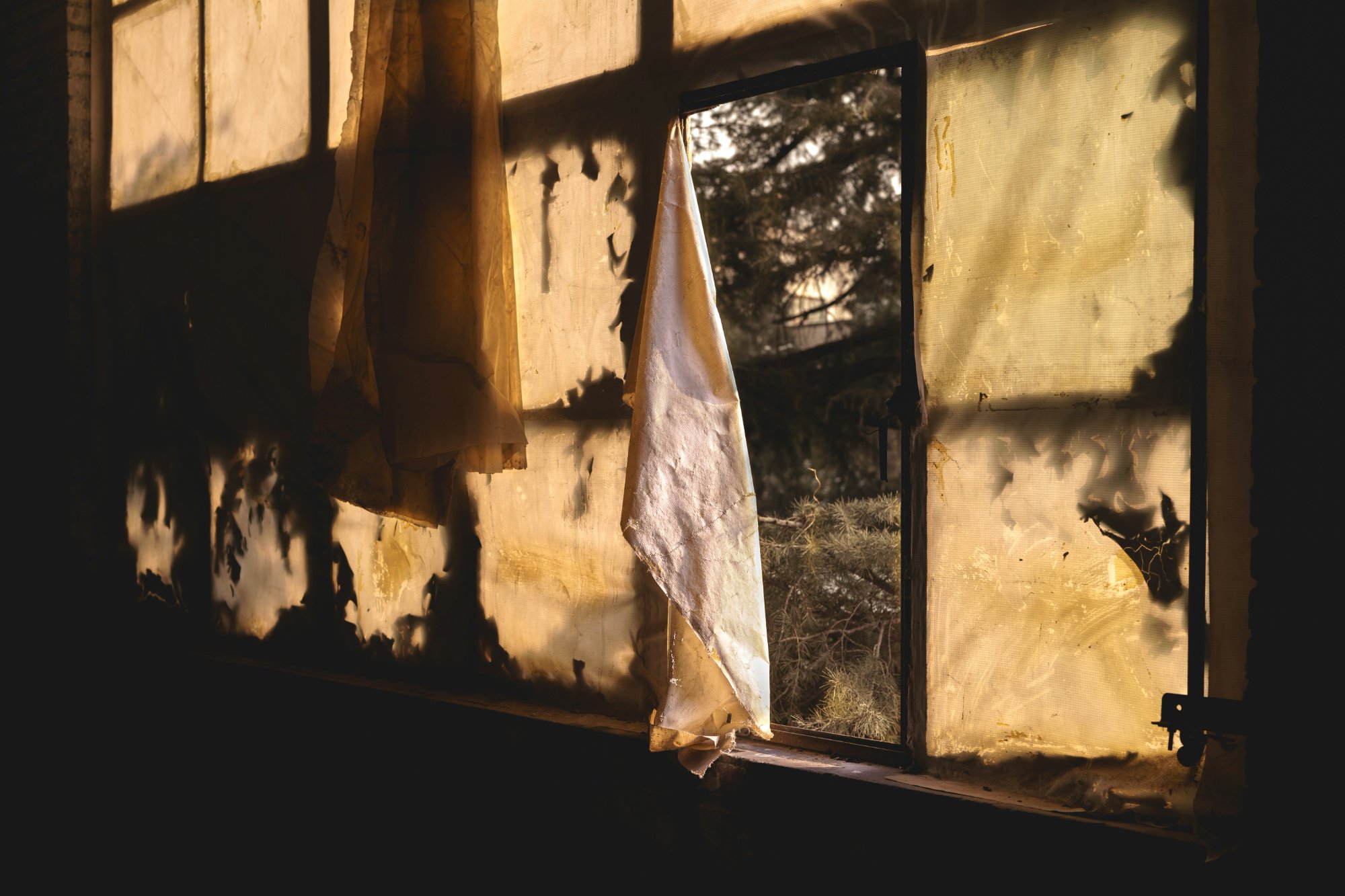
Abandoned window with torn curtain and dramatic light — the haunted space of nightmares
◐ Dream Phenomena · Science · Psychology

Nightmares: Why Your Brain Creates Terror in Sleep

You wake gasping, heart pounding, drenched in sweat. The images linger — vivid, visceral, refusing to fade. Nightmares are not malfunctions. They are your brain's most urgent communication system — an alarm that fires when something needs immediate attention. Understanding them is not just psychologically valuable. For some, it is genuinely life-changing.

The science

Why We Have Nightmares: Three Scientific Theories

Revonsuo (2000): Evolution's Fire Drill

Nightmares evolved as a survival mechanism — they simulate threatening scenarios so the brain can rehearse responses. Our ancestors who "practiced" escaping predators in dreams were better prepared to survive real threats. The nightmare is not the enemy; it is the training.

Walker: REM as Overnight Therapy

Matthew Walker's research shows REM sleep processes emotional memories in the absence of noradrenaline (the stress chemical). Nightmares may occur when the emotional charge is too intense for a single night's processing — the system is overwhelmed.

The Shadow Demands Attention

Jung saw nightmares as the shadow's most forceful eruption into consciousness — repressed or disowned aspects of the psyche that have become so powerful they can no longer be ignored. The nightmare says: what you refuse to face awake will visit you in sleep.

Culture

Nightmare Demons Across Cultures

Every culture has personified the nightmare as a being — a demon, spirit, or entity that attacks during sleep. The remarkable consistency of these figures across unconnected cultures reflects the shared neurology of sleep paralysis and REM-related fear activation:

The Slavic Mora (origin of "nightmare"), the Greek Ephialtes ("the leaper"), the Germanic Alp (a crushing elf), the Newfoundland Old Hag, the Thai Phi Am, the Japanese Kanashibari, the Hmong Dab Tsog — all describe the same basic experience: a dark presence, physical paralysis, and overwhelming terror. One phenomenon, reflected through dozens of cultural mirrors.

Treatment

Evidence-Based Nightmare Treatment

Chronic nightmares — particularly those linked to PTSD, trauma, or persistent anxiety — are treatable. The most effective approaches:

1

Image Rehearsal Therapy (IRT)

The gold standard. While awake, visualize the nightmare but change the ending. Rehearse the new version daily. Clinical trials show 60-70% reduction in nightmare frequency.

2

Lucid Dreaming Training

Learning to become lucid during nightmares allows you to confront or transform the threatening content in real time. Particularly effective for recurring nightmares.

3

Sleep Hygiene

Regular schedule, cool dark room, no screens before bed, reduced alcohol and caffeine. Nightmares increase significantly with sleep deprivation and irregular schedules.

4

Jungian Dream Work

Engage with the nightmare's content: journal it, use active imagination, ask the threatening figure what it wants. The shadow loses its power when it is faced and integrated.

When to seek help

Nightmares as a Clinical Signal

Occasional nightmares are normal and often psychologically productive. But frequent, distressing nightmares — particularly when accompanied by disrupted sleep, daytime distress, or avoidance of sleep — may signal a condition that benefits from professional support. Nightmare disorder affects an estimated 2-6% of adults, and effective treatments exist.

PTSD-related nightmares deserve special attention. Unlike ordinary nightmares (which occur during REM), trauma nightmares can intrude into earlier sleep stages, are often exact replays of the traumatic event, and may be accompanied by physical thrashing or vocalization. If nightmares are connected to trauma, working with a trauma-informed therapist is recommended.

Did you know…

Facts That Will Surprise You

Did you know nightmares may have evolved as "fire drills" for survival? The Threat Simulation Theory proposes that our ancestors who rehearsed escaping predators in dreams were better prepared to survive real threats.

Did you know Image Rehearsal Therapy reduces nightmare frequency by 60-70%? Simply visualizing the nightmare with a changed ending — practiced while awake — is clinically proven to reduce chronic nightmares.

Did you know every culture on Earth has a nightmare demon? The Slavic Mora, Greek Ephialtes, Germanic Alp, Thai Phi Am, Japanese Kanashibari, Hmong Dab Tsog — all describe the same experience through different cultural lenses.

Recommended reading

Go Deeper

Threat Simulation TheoryAntti Revonsuo (2000)

Dreams evolved to simulate ancestral threats. Why nightmares feel so real.

View in Sources ↗
Why We SleepMatthew Walker (2017)

UC Berkeley's definitive work on REM sleep, emotional processing, and why we dream.

View in Sources ↗
The Dream and the UnderworldJames Hillman (1979)

Founder of archetypal psychology. Dreams belong to the underworld — interpret images on their own terms.

View in Sources ↗
Related phenomena

Explore More Phenomena

What was your nightmare trying to tell you?

Nightmares are messengers, not enemies. Understanding them transforms terror into insight.

☽ Interpret Your Dream — Free

No account needed · No character limit · Private by design

Last updated: · Maintained by the Somniary editorial team · Sources & References