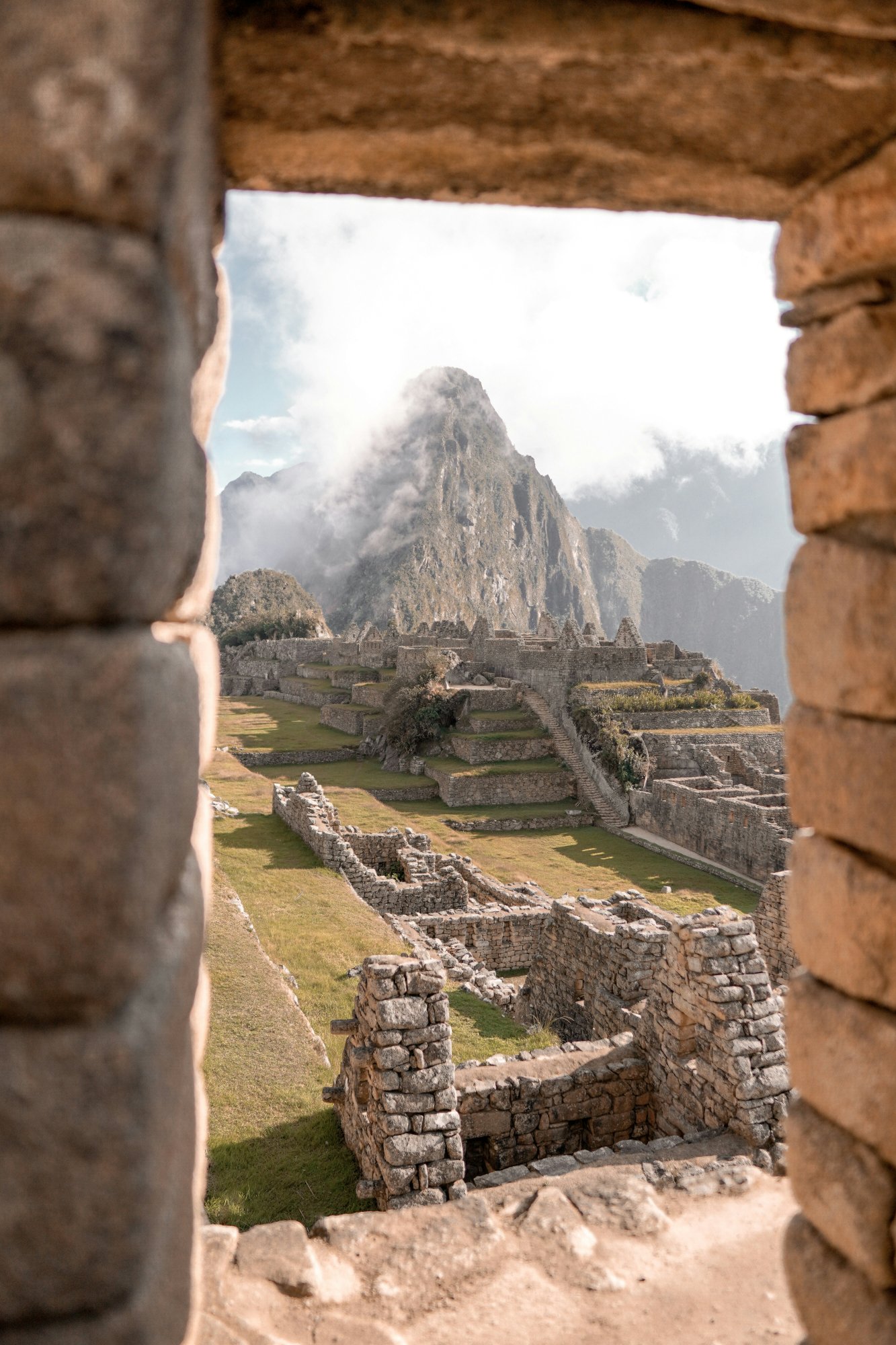
In the Inca Empire — Tawantinsuyu — dreams were not random brain activity but direct communication between the dreamer's soul and the spirit world. The Inca believed the soul literally left the body during sleep, travelling through the three cosmic realms: Hanan Pacha (upper world), Kay Pacha (this world), and Ukhu Pacha (inner world). What you experienced in dreams was as real as waking life — often more so.
Andean cosmology organized reality into three interconnected realms, and dreams were the primary means of travelling between them. During sleep, the dreamer's ánimo (soul-essence) could ascend to Hanan Pacha to receive messages from celestial deities, walk through Kay Pacha to visit distant places or people, or descend into Ukhu Pacha to communicate with ancestors and chthonic powers.
This wasn't metaphor — it was literal geography. The Inca built their temples, roads, and entire cities to mirror this three-world structure, with Machu Picchu itself arguably functioning as a physical model of the dream cosmos: high peaks touching the upper world, terraces representing this world, and underground chambers connecting to the world below.
Inca rulers took dreams extremely seriously — major political and military decisions were influenced by dream visions. The most famous example: Pachacuti Inca Yupanqui, who transformed the Inca from a small kingdom into the largest empire in pre-Columbian America, reportedly received his mandate from the sun god Inti in a dream vision. The god appeared holding a crystal disc that reflected the future — Pachacuti saw himself conquering all four directions.
This dream didn't just inspire — it legitimized. In Inca political theology, a divine dream vision was among the most powerful forms of authority. Rulers who could demonstrate that the gods spoke to them in dreams held a form of power that military conquest alone couldn't provide. Dream authority was political authority.
The Inca had specialized dream interpreters — moscoc — who combined dream analysis with coca leaf divination. After a person reported a dream, the moscoc would cast coca leaves and read the pattern in conjunction with the dream's content, creating a dual-channel interpretation that was considered far more reliable than either method alone.
Certain dreams required immediate ritual action. Dreaming of fire demanded purification ceremonies. Dreaming of water (especially flooding) could indicate coming abundance or catastrophe, depending on the dreamer's circumstances. Dreaming of the dead was treated as genuine contact with ancestors who had specific requests — usually for offerings or attention to family obligations.
Inca dream traditions didn't end with the Spanish conquest — they survived and adapted. Modern Quechua and Aymara communities across Peru, Bolivia, and Ecuador still practice dream interpretation that is recognizably Inca in structure. Dreams of condors still signify messages from the upper world. Dreams of snakes still connect to Ukhu Pacha and ancestral wisdom.
Contemporary paqos (Andean spiritual practitioners) continue to use dreams as a primary diagnostic and healing tool, often combining dream interpretation with coca leaf reading exactly as their Inca predecessors did. The three-world cosmology remains the interpretive framework — a living dream tradition unbroken for at least 800 years.
Did you know Pachacuti built an empire based on a dream? The founder of the Inca Empire received his divine mandate from the sun god Inti in a dream vision — one of history's most consequential dreams.
Did you know the Inca combined dream reading with coca leaf divination? Professional dream interpreters (moscoc) cast coca leaves alongside dream analysis for a dual-channel reading considered far more accurate than either method alone.
Did you know Machu Picchu mirrors the Inca dream cosmos? The site's three-level architecture — mountain peaks, terraces, underground chambers — physically represents the three worlds the Inca soul travels through in dreams.
Sacred space, initiation rituals, and cyclical time — the religious dimension of dreams.
View in Sources ↗The monomyth — the universal hero's journey structure found across all dream traditions.
View in Sources ↗Encyclopedic reference spanning Egyptian, Greek, Celtic, Hindu, Buddhist, Islamic, and Christian symbolism.
View in Sources ↗The Inca believed every dream is a journey between worlds. Discover where your dreams are taking you.
☽ Interpret Your Dream — FreeNo account needed · No character limit · Private by design