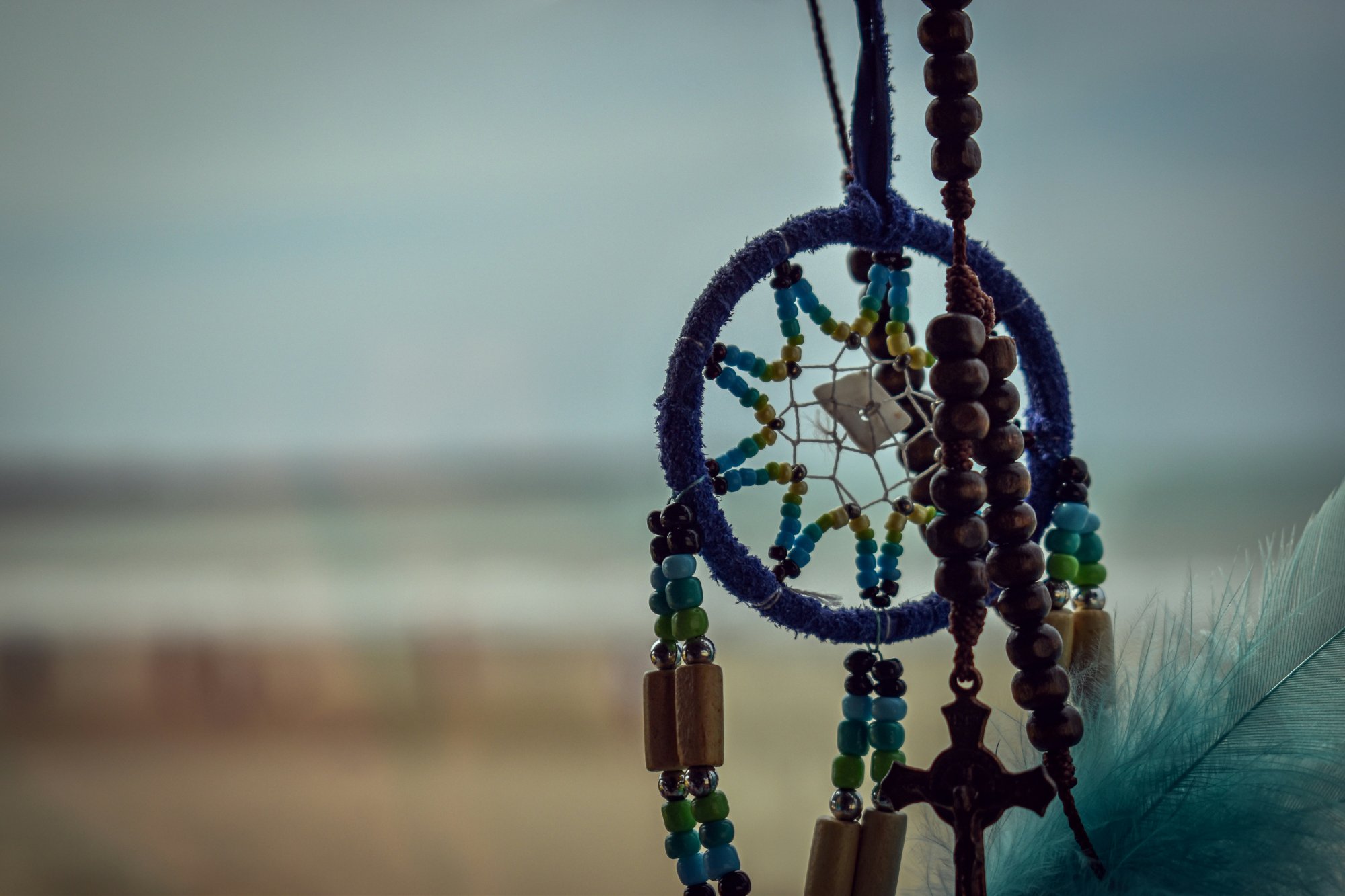
For Indigenous North Americans, dreams were not private — they were shared, interpreted communally, and acted upon as sacred guidance. Vision quests, dream catchers, and communal dream therapy existed here centuries before Western psychology was born.
The Haudenosaunee (Iroquois) had perhaps the most sophisticated dream culture in North America. Dreams were shared communally each morning. The community then worked together to fulfill the dream's desire — not merely interpret it, but enact it.
The Iroquois believed that unfulfilled dreams caused illness. A person's soul had desires that surfaced in sleep, and suppressing those desires made the body sick. This is remarkably parallel to Freud's core insight — that repressed desires manifest as symptoms — but practiced communally, 300 years earlier.
During the Midwinter Dream Festival, the entire community participated in dream sharing and dream enactment. Masked dancers acted out dreams. Objects seen in dreams were given to the dreamer. The community literally brought dreams into material reality.
The vision quest (known by many names across nations) was a rite of passage in which a young person went alone into the wilderness — fasting, praying, and waiting for a dream or vision that would reveal their life purpose, their spirit guardian, and their name.
Among the Lakota, the practice is called Hanblečeya ("crying for a vision"). The seeker spends days alone on a hilltop without food or water, exposed to the elements, until a vision comes. The vision is then interpreted by an elder — and it shapes the person's entire life direction.
Black Elk, the Oglala Lakota holy man, had his famous Great Vision at age nine — a complex, multi-layered dream that he described in extraordinary detail decades later. His vision foretold both the suffering and the eventual renewal of his people.
"I was seeing in a sacred manner the shapes of all things in the spirit, and the shape of all shapes as they must live together like one being."
— Black Elk, describing his Great VisionOriginally hung over infants' cradles. The web caught nightmares; good dreams slipped through. A specific Ojibwe tradition that became pan-Indian.
Hanblečeya — fasting alone in wilderness, crying for a vision that reveals your life purpose, spirit guardian, and name.
Midwinter communal dream sharing. The community enacts dreams — masked dancers, gift-giving, collective healing.
The Dunne-za (Beaver people) believe dreamers can travel to heaven on a "trail to heaven" and bring back songs and guidance.
Vision quests sought life-shaping dreams — our AI interpreter considers the full context of your life.
☽ Interpret Your DreamDid you know the Iroquois practiced group dream therapy 300 years before Freud? Every morning, dreams were shared communally — and the community worked to fulfill the dream's desire. Unfulfilled dreams caused illness. Collective healing through sleep.
Did you know dreamcatchers were originally a specific Ojibwe tradition? Hung over infants' cradles, the web caught nightmares while letting good dreams pass through the hole in the center. Now a global symbol — but born from one nation's love of children's sleep.
Did you know Black Elk's Great Vision at age nine shaped the spiritual life of an entire people? The Oglala Lakota holy man received a complex, multi-layered dream that foretold both suffering and renewal — a vision he carried and shared for decades.
The Dream Library is the map. Your dream is the territory.
☽ Interpret Your Dream — FreeNo account needed · No character limit · Private by design