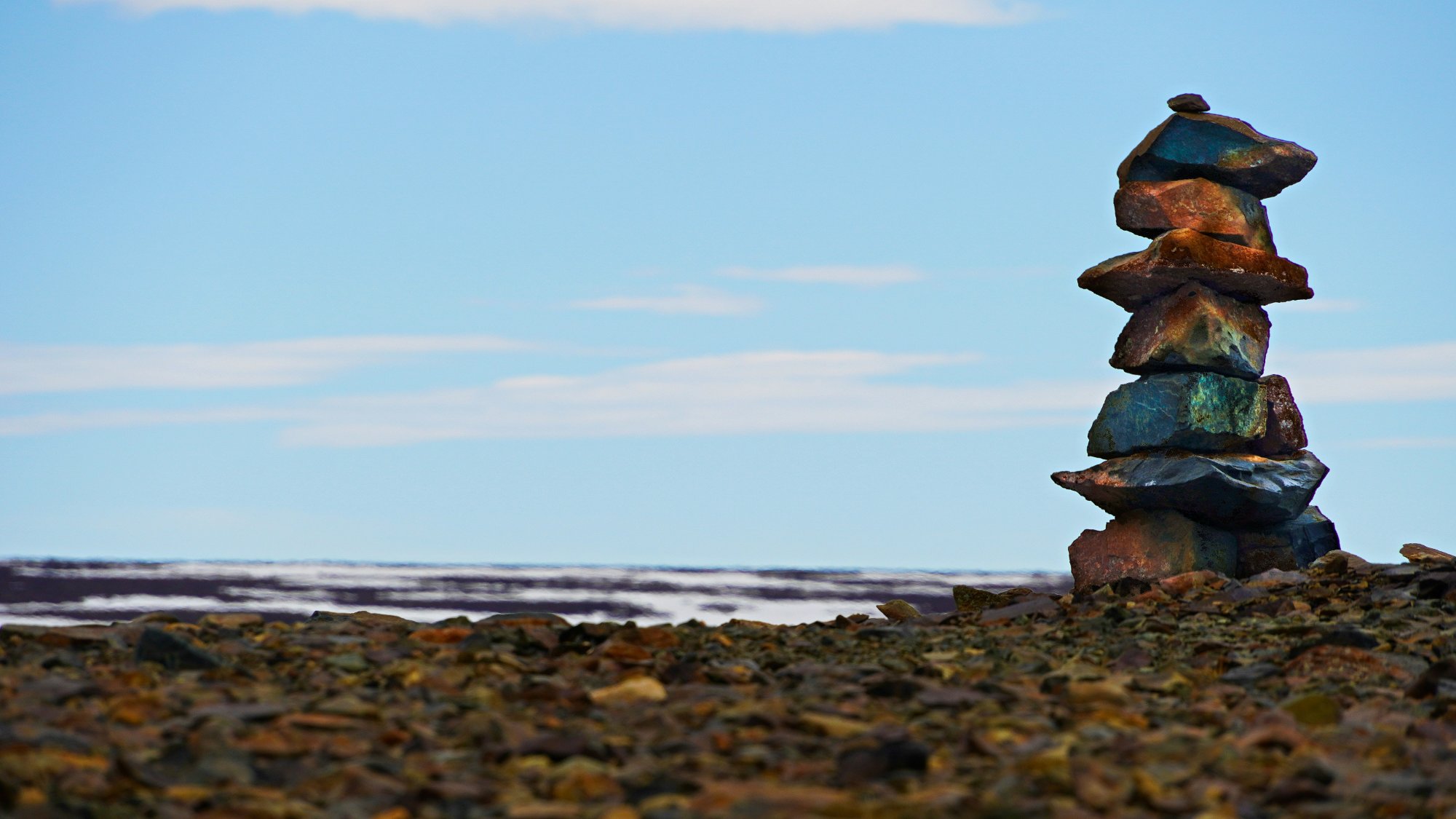
In the vast white silence of the Arctic, where the boundary between land and sky dissolves in blizzards and the sun disappears for months, the Inuit developed a dream tradition of extraordinary depth. Dreams are not metaphors — they are the soul's actual experiences while the body sleeps. The dreaming soul (tarniq) leaves the body and encounters spirits, ancestors, and beings that inhabit the same landscape the waking person walks through — but sees it as it truly is.
Central to Inuit dream belief is the concept of the tarniq (or tarninga) — the soul that can separate from the body during sleep, trance, or near-death. While the body rests, the tarniq travels: visiting distant camps, communicating with the dead, receiving warnings about weather or hunting conditions, and sometimes encountering dangerous spirits.
This is not abstract theology — it is practical knowledge. When an Inuit hunter dreams of a specific location where caribou are gathered, the community takes it seriously as intelligence. When a dreamer visits a recently deceased relative, the conversation is treated as genuine communication. The Arctic environment — where survival depends on reading subtle signs across vast empty spaces — made dream information literally a matter of life and death.
The angakkuq (plural: angakkuit) — the Inuit shaman — is above all a master dreamer. Their primary function is to travel in spirit form to diagnose illness, locate game animals, control weather, and negotiate with the powerful beings who govern the natural world. The angakkuq's trance journey is structurally identical to Siberian shamanic dreaming — unsurprising given shared deep ancestry across the circumpolar world.
The most dramatic journey is the descent to visit Sedna (Nuliajuk), the sea goddess who controls marine animals. When hunting fails, the angakkuq must dream-travel to the ocean floor, comb the tangles from Sedna's hair (caused by human taboo violations), and negotiate the release of seals, walruses, and whales. This is simultaneously a spiritual journey, a communal confession ritual, and a collective dream shared by the entire community.
Inuit dream culture includes strict taboos and protocols. Certain dreams must be told immediately upon waking — keeping them inside can cause illness or attract the attention of malevolent spirits. Other dreams must never be spoken aloud. Dreaming of the dead requires specific responses depending on what the deceased said or did in the dream.
Particularly significant are prophetic hunting dreams. If a hunter dreams of successfully killing a specific animal, this dream must be shared with the community and appropriate preparations made. The dream is not a prediction — it is a contract between the hunter's soul and the animal's spirit. Failing to follow through on a hunting dream, or boasting about it, can break the contract and bring bad luck to the entire camp.
The Arctic environment creates unique dream conditions. During the polar night — months of continuous darkness — Inuit communities report intensified dreaming, more vivid imagery, and a blurring of the boundary between waking and sleeping states. This is consistent with modern sleep science: extended darkness increases melatonin production and REM sleep duration, producing more frequent and more intense dreams.
The polar night was traditionally a time of heightened spiritual activity — storytelling, ceremonies, and communal dream-sharing filled the long dark months. The angakkuq's services were in greatest demand during this period, when the spirit world was considered closest to the human world. Modern Inuit communities in Nunavut, Greenland, and Alaska still report that the darkest months bring the most powerful dreams.
Did you know Inuit hunters use dreams as navigation intelligence? Dreams showing specific locations of game animals are treated as genuine scouting reports — the soul has literally visited that place while the body slept.
Did you know the polar night intensifies dreaming? Months of continuous Arctic darkness increase REM sleep and dream vividness — making winter the traditional peak season for dream-based spiritual activity.
Did you know Inuit dream taboos can affect an entire community? Failing to properly act on a prophetic hunting dream — or boasting about it — is believed to break a soul-contract with the animal spirit and bring misfortune to the whole camp.
Sacred space, initiation rituals, and cyclical time — the religious dimension of dreams.
View in Sources ↗The monomyth — the universal hero's journey structure found across all dream traditions.
View in Sources ↗Encyclopedic reference spanning Egyptian, Greek, Celtic, Hindu, Buddhist, Islamic, and Christian symbolism.
View in Sources ↗The Inuit say your dreams are not imagination — they are your soul's real experiences. Discover what yours reveal.
☽ Interpret Your Dream — FreeNo account needed · No character limit · Private by design