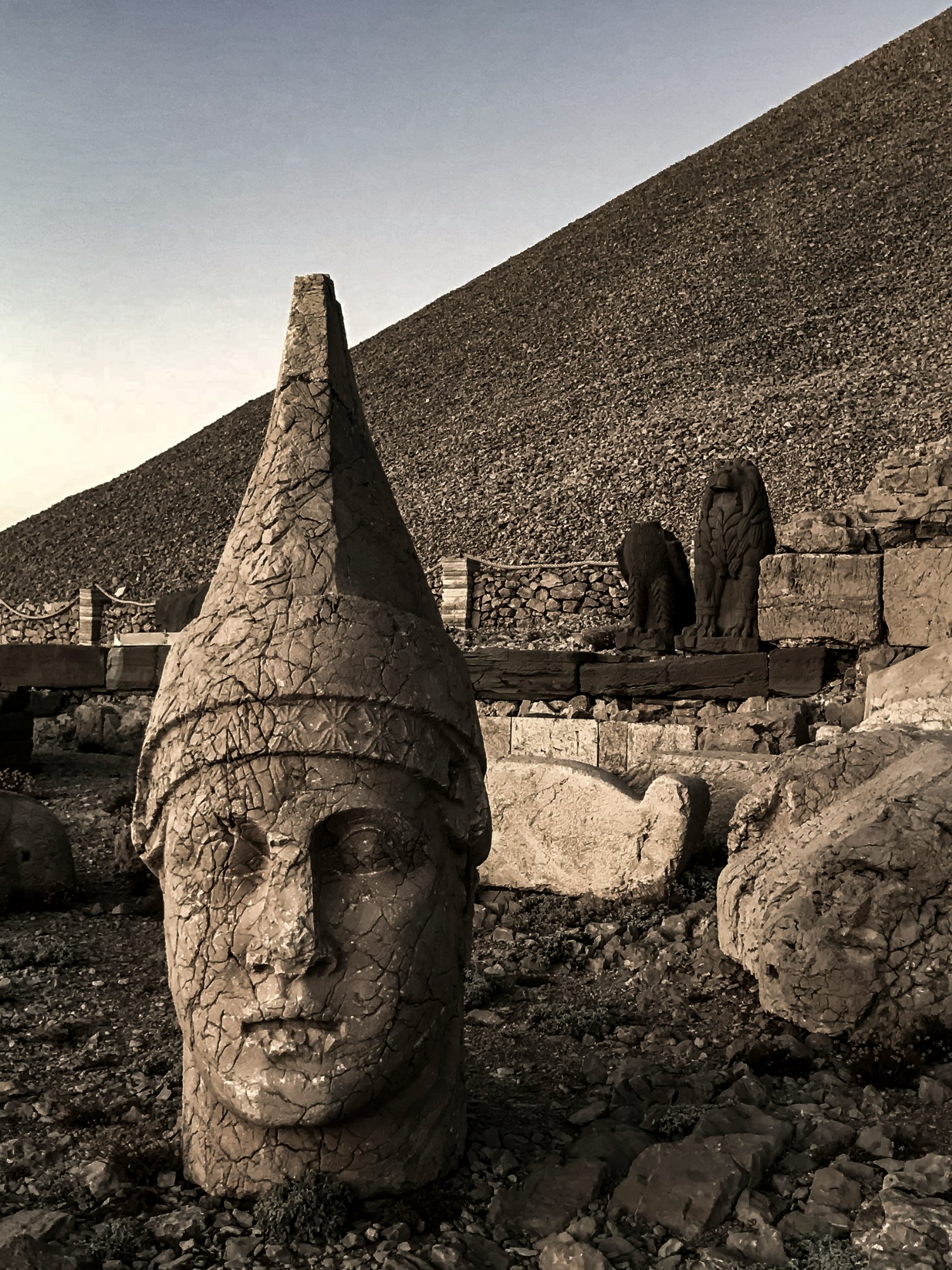
Ancient Mesopotamian stone head sculpture at Nemrut — gateway to the first dream interpreters
◐ Dream Traditions · Ancient Near East · c. 3100–539 BCE

Mesopotamian Dream Interpretation: Where Dream Analysis Was Born

Before Freud, before Jung, before any modern theory of dreams — the Mesopotamians built the world's first systematic dream interpretation framework. In ancient Sumer, Babylon, and Assyria, dreams were divine messages requiring expert translation. Clay tablets from 3,000 BCE contain dream dictionaries, ritual prescriptions, and case studies that look eerily familiar to anyone who has studied modern dream psychology.

The first dream books

Clay Tablets and Dream Dictionaries

The Assyrian Dream Book (c. 7th century BCE, from Ashurbanipal's library at Nineveh) is the oldest surviving dream dictionary — and it reads remarkably like a modern one. It catalogues dreams by symbol and provides interpretations: "If a man flies in his dream, his difficulties will be resolved." "If a man eats raw meat in his dream, he will become rich."

But Mesopotamian dream interpretation was far more sophisticated than simple symbol-matching. The Babylonians recognized that dreams could be mantic (prophetic messages from the gods), symbolic (requiring expert interpretation), or message dreams (where a deity or dead person appeared and spoke directly). This three-category system anticipates modern clinical dream classification by three millennia.

Temple dream incubation

Sleeping in Sacred Places

The Mesopotamians invented dream incubation — the practice of sleeping in a sacred place to receive divine guidance through dreams. Temples dedicated to dream gods contained special chambers where seekers would sleep after ritual preparation, fasting, and prayer.

The dreamer would petition a specific deity — often Mamu, the goddess of dreams, or Zaqīqu, the dream spirit — to send a clear, interpretable vision. This practice directly influenced Greek dream temples at Epidaurus and Delphi, and through them, the entire Western tradition of therapeutic dreaming.

"O Mamu, goddess of dreams, I bring you my offering. Send me tonight a dream of truth, clear and undisguised, that I may know my fate."

— Mesopotamian incubation prayer, c. 2000 BCE (paraphrased from cuneiform tablets)
Dream professionals

The Šā'ilu: Professional Dream Interpreters

Mesopotamia produced the world's first professional dream interpreters — the šā'ilu ("the askers") and bārû (diviners). These specialists trained for years, studying catalogues of dream symbols, mastering ritual techniques for dream purification, and learning to distinguish true divine messages from ordinary or deceptive dreams.

Kings employed palace dream interpreters whose analyses influenced military campaigns, diplomatic decisions, and building projects. The famous Dream of Gudea (c. 2144 BCE) records how the ruler of Lagash received architectural instructions through dreams — a divine being appeared and literally showed him the blueprint for a temple. After consulting a dream interpreter, Gudea built the temple exactly as shown.

What's remarkable is that these early interpreters already recognized what modern psychology would rediscover: that dreams can be wish-fulfilling, that they can express anxiety, and that the same symbol can mean different things to different dreamers depending on their circumstances.

Rituals and protection

Dream Rituals: The Namburbi and Šurpu

The Mesopotamians didn't just interpret dreams — they had elaborate ritual technology for dealing with bad ones. The namburbi rituals were prophylactic ceremonies designed to neutralize the effects of ominous dreams before they could manifest. If you dreamed of your teeth falling out (yes, that dream is at least 4,000 years old), a priest could perform a namburbi to "dissolve" the dream's power.

The šurpu ("burning") rituals used fire to destroy the negative energy of nightmares. The dreamer would describe the bad dream to a clay figurine, which was then ritually burned — literally destroying the dream. This practice of externalizing and then destroying the nightmare has clear parallels in modern nightmare treatment protocols like Image Rehearsal Therapy.

Did you know…

Facts That Will Surprise You

Did you know Mesopotamia invented dream interpretation as a profession? The šā'ilu (dream askers) were trained specialists who served kings and commoners alike — the world's first dream analysts, 4,000 years before Freud.

Did you know the oldest dream dictionary is Mesopotamian? The Assyrian Dream Book from Ashurbanipal's library at Nineveh (c. 650 BCE) catalogues hundreds of dream symbols with their meanings — and many match modern dream dictionaries.

Did you know Mesopotamians had nightmare therapy? The namburbi and šurpu rituals — involving clay figurines, fire, and symbolic destruction — are structurally identical to modern cognitive techniques for treating recurring nightmares.

Recommended reading

Go Deeper

OneirocriticaArtemidorus of Daldis (c. 200 CE)

The only complete dream manual from antiquity. First to argue meaning depends on the dreamer's identity.

View in Sources ↗
Dictionary of SymbolsChevalier & Gheerbrant (1969)

Encyclopedic reference spanning Egyptian, Greek, Celtic, Hindu, Buddhist, Islamic, and Christian symbolism.

View in Sources ↗
The Sacred and the ProfaneMircea Eliade (1957)

Sacred space, initiation rituals, and cyclical time — the religious dimension of dreams.

View in Sources ↗
Related traditions

Explore More

What would the ancient dream interpreters say about your dreams?

The symbols that haunted Babylonian dreamers 4,000 years ago still appear in dreams today. Discover what yours mean.

☽ Interpret Your Dream — Free

No account needed · No character limit · Private by design

Last updated: · Maintained by the Somniary editorial team · Sources & References