Dreams as state affairs
When the Senate Listened to Dreams
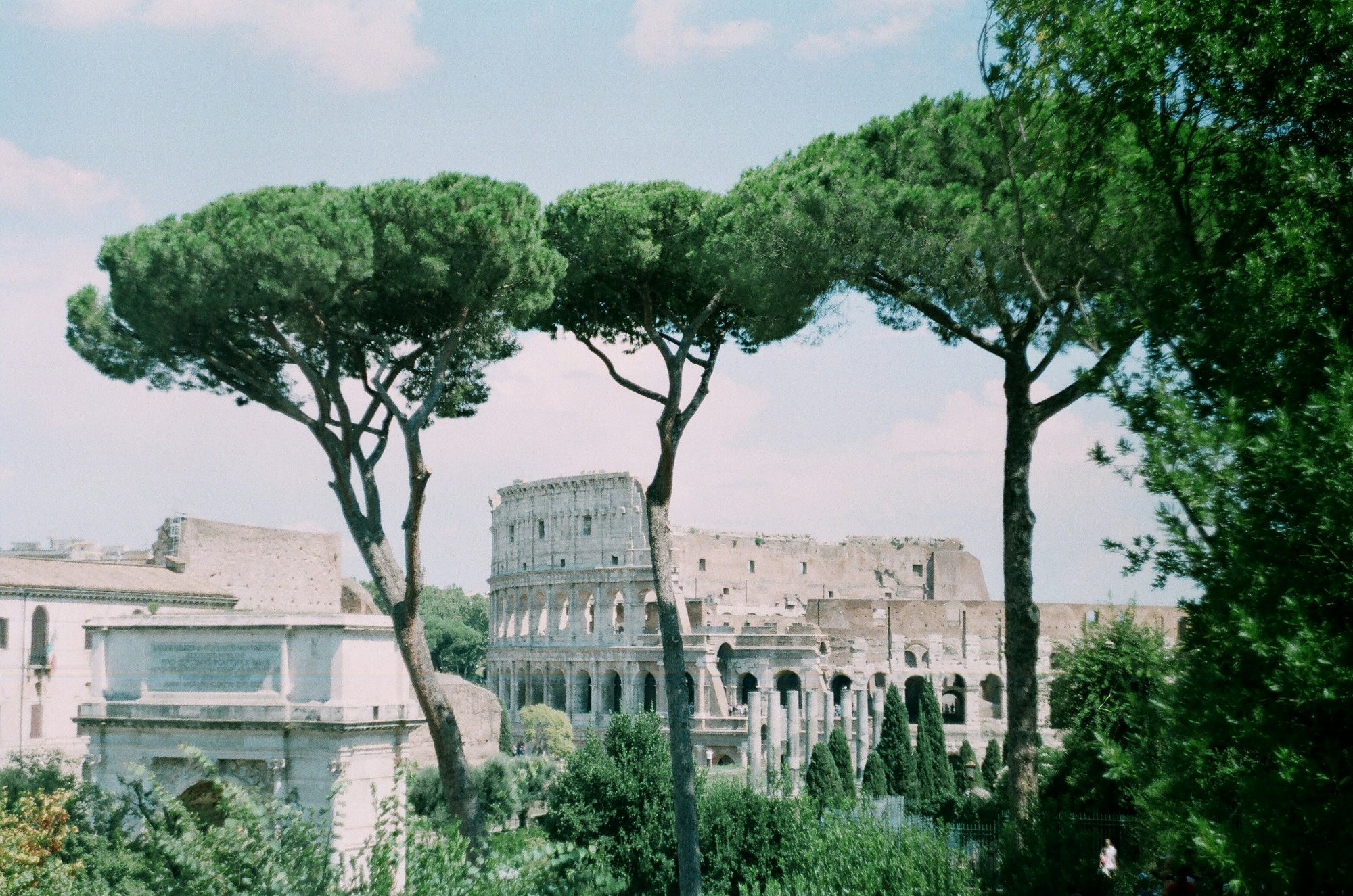
In ancient Rome, dreams with political or military implications were formally reported to the Senate. This was not superstition – it was protocol. A general's dream before battle, a senator's vision of catastrophe, a priest's nocturnal warning – all could shape state policy. Dreams were intelligence reports from the gods, and ignoring them was a political risk no Roman leader took lightly.
This practice was rooted in the Roman adoption of Greek dream culture, filtered through Etruscan divination traditions. Rome inherited the Egyptian and Greek temple incubation model, but added something uniquely Roman: bureaucratic systematization. Dreams were categorized, evaluated, and acted upon through formal channels.
"A dream reported to the Senate carried more weight than a general's battle plan."
– On the political role of dreams in the Roman Republic
Key Thinkers & Classifiers
◆
De Divinatione – the earliest philosophical debate on whether dreams have meaning. Argued both for and against – a format still repeated today.
◇
Commentary on the Dream of Scipio (c. 400 CE) – classified 5 dream types: somnium, visio, oraculum, insomnium, phantasma. Shaped medieval dream theory.
✦
2nd-century physician who systematized dreams as diagnostic tools – fire dreams = fever, water dreams = excess fluids. Medicine through sleep.
☽
In the Aeneid, dreams navigate the entire journey from Troy to Italy. Ghosts of Hector and Anchises guide Aeneas through prophetic sleep.