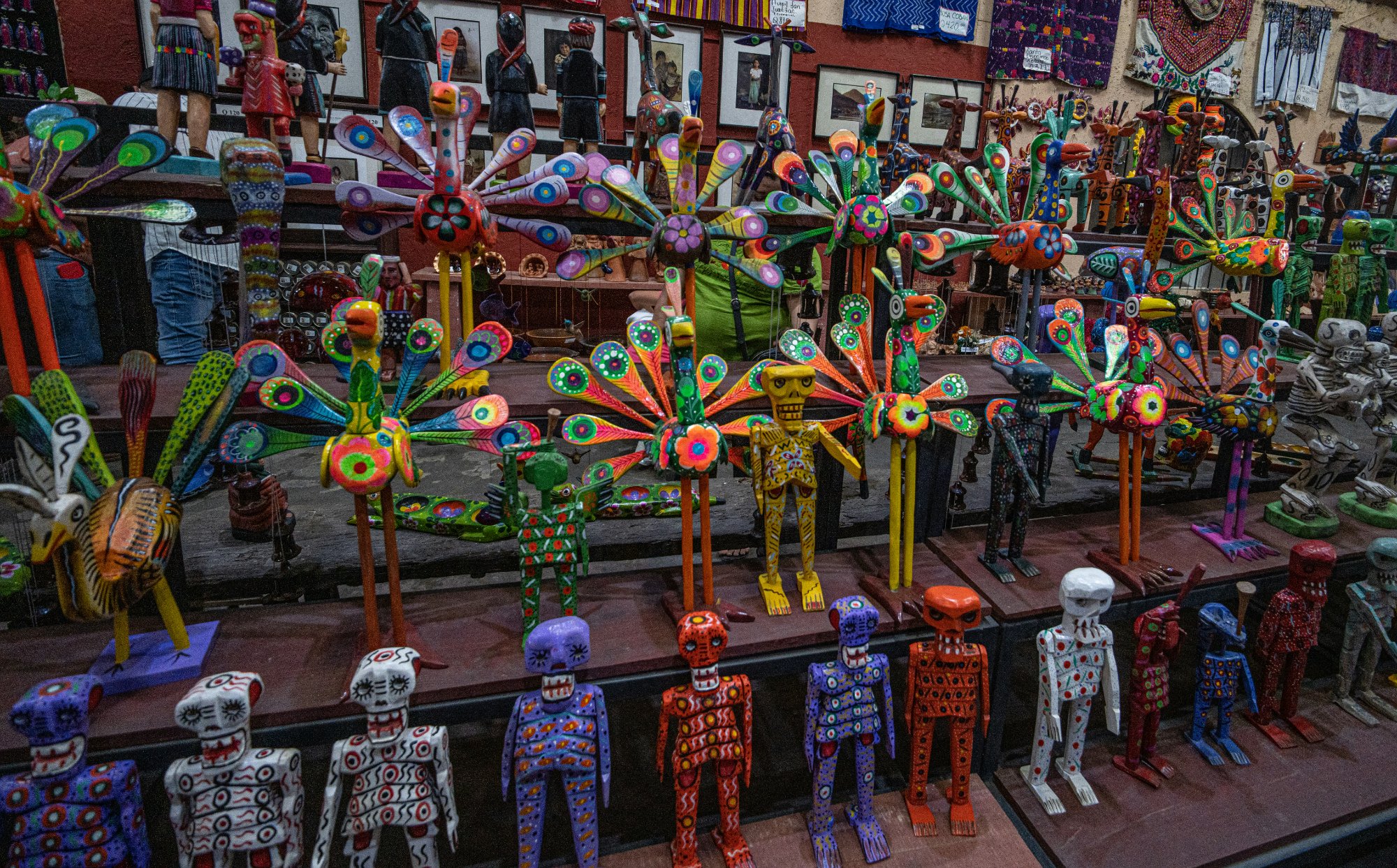
In the highlands of Guatemala, Maya dream traditions that are over three thousand years old remain vibrantly alive. Among the K'iche', Kaqchikel, Tz'utujil, and other Maya peoples, dreams are not relics of the past — they are the primary channel through which the divine calendar speaks, ancestors give counsel, and daykeepers (ajq'ij) receive the knowledge that guides their communities through an uncertain world.
The ajq'ij — literally "keeper of the days" — is the spiritual specialist at the heart of Maya dream culture. The ajq'ij maintains the sacred 260-day calendar (Cholq'ij), performs divination, and serves as the community's primary dream interpreter. Their calling almost always comes through dreams: a series of vivid, recurring visions in which ancestors or calendar spirits appear and insist the person must train.
The apprenticeship itself is heavily dream-based. The trainee ajq'ij learns to correlate their dreams with specific calendar days, discovering that the quality and content of dreams shift predictably across the 20 day-signs and 13 numbers. This isn't mysticism — it's an empirical system refined over millennia: dream journaling correlated with calendrical cycles, producing pattern recognition that modern dream researchers would recognize immediately.
Central to Maya dream practice is the phenomenon called koyopa — literally "lightning in the blood." This is a physical sensation — tingling, pulsing, heat — experienced in the body that serves as a confirmation signal during dream interpretation, divination, and prayer. When an ajq'ij interprets a dream and feels koyopa, they know the interpretation is correct.
The koyopa is understood as the body's own divination system — an embodied wisdom that operates independently of conscious thought. During dreaming, koyopa is particularly active: significant dreams are accompanied by physical sensations that the dreamer learns to distinguish from ordinary dream content. This integration of somatic experience with dream content is remarkably sophisticated and has no parallel in Western dream theory.
Maya dream interpretation is inseparable from the sacred calendar. Each of the 20 day-signs (Imox, Iq', Aq'ab'al, K'at, Kan, etc.) carries specific dream associations. Dreams on Imox days are watery, boundary-dissolving, potentially prophetic. Dreams on Aq'ab'al days — the day of dawn and dusk — are liminal, offering passage between worlds. Dreams on Keme (death) days frequently involve ancestors.
This creates a 260-day dream cycle that experienced ajq'ij navigate with precision. They don't just interpret individual dreams — they read dream patterns across calendrical time, identifying when a person's dream life is in harmony with the calendar and when it's disrupted. Disruption signals spiritual illness requiring ceremony. Harmony signals that the dreamer is living in alignment with cosmic forces.
Unlike many indigenous dream traditions that were suppressed or destroyed by colonization, Maya dream culture in Guatemala never died. Despite five centuries of colonial and post-colonial oppression, the ajq'ij system persisted — often underground, always in dreams. Today, there are thousands of practicing ajq'ij across the Guatemalan highlands, and the tradition is experiencing a renaissance.
Modern Maya dream practice seamlessly integrates ancient and contemporary elements. Ajq'ij use smartphones to coordinate ceremonies and social media to share calendar information, while maintaining the same dream interpretation methods their ancestors used. The dreams themselves haven't changed: ancestors still appear, the calendar still speaks, and koyopa still confirms. As one K'iche' ajq'ij puts it: "The ancestors adapted to survive colonization. They moved into dreams, where no one could follow them."
Did you know Maya daykeepers are called to their role through dreams? The ajq'ij (calendar priest) receives their calling in recurring dreams where ancestors or calendar spirits appear — the same initiation pattern found across the Americas.
Did you know Maya dream interpretation follows a 260-day cycle? Each day-sign in the sacred Cholq'ij calendar carries specific dream associations, creating the most calendrically integrated dream system ever developed.
Did you know Maya dream traditions survived 500 years of colonization? As one K'iche' ajq'ij says: 'The ancestors moved into dreams, where no one could follow them.' The tradition never died — it went underground and re-emerged stronger.
Sacred space, initiation rituals, and cyclical time — the religious dimension of dreams.
View in Sources ↗The monomyth — the universal hero's journey structure found across all dream traditions.
View in Sources ↗Encyclopedic reference spanning Egyptian, Greek, Celtic, Hindu, Buddhist, Islamic, and Christian symbolism.
View in Sources ↗The Maya say every dream is shaped by the sacred calendar. Discover the deeper patterns in your dream life.
☽ Interpret Your Dream — FreeNo account needed · No character limit · Private by design